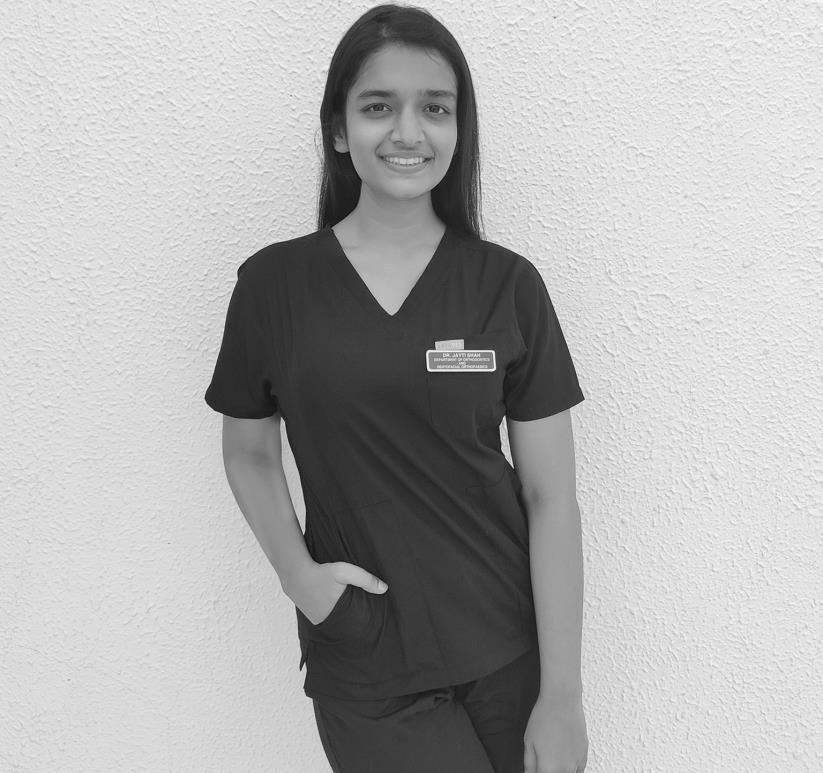
Yes, a dentist can help with snoring and sleep apnea. Obstructive sleep apnea (OSA) is a condition where the airway repeatedly collapses during sleep, causing breathing interruptions, snoring, and poor sleep quality. What many people do not realize is that dentists are often the first healthcare providers to spot the signs of sleep apnea during routine dental exams. At RJ Luxe Dental, Dr. Jayti Shah can identify oral indicators of sleep apnea and provide custom oral appliance therapy as a comfortable alternative to CPAP machines.
How Your Dentist Spots Sleep Apnea
During a dental examination, several oral signs can indicate sleep apnea: teeth grinding (bruxism) is present in up to 25% of sleep apnea patients as the jaw subconsciously clenches to reopen the airway. Worn, flattened, or cracked teeth result from chronic grinding. A scalloped tongue (teeth marks on the edges) suggests the tongue is large relative to the mouth. Redness in the throat from vibrating tissues during snoring. Small or recessed jaw which naturally narrows the airway.
Oral Appliance Therapy: The CPAP Alternative
For patients with mild to moderate OSA, or those who cannot tolerate CPAP machines, custom-made oral appliances (mandibular advancement devices) are an FDA-approved treatment. These devices look like a sports mouthguard and work by gently holding the lower jaw in a slightly forward position during sleep. This prevents the tongue and soft tissues from collapsing backward and blocking the airway. Patients report sleeping more quietly, feeling more rested, and experiencing fewer headaches.
The Connection to Dental Health
Sleep apnea and dental health form a destructive cycle. Poor sleep quality leads to dry mouth (reduced saliva), which increases cavity and gum disease risk. Grinding from sleep apnea cracks and wears down teeth. Chronic inflammation from both sleep apnea and gum disease increases cardiovascular risk. Treating sleep apnea therefore protects both your sleep and your oral health.
Get Evaluated Today
If you snore heavily, wake up feeling tired, or experience morning headaches, ask Dr. Jayti Shah about sleep apnea screening at your next dental checkup. Call +91 98981 13381 to schedule.
How Your Dentist Can Screen and Treat Sleep Apnea
Your dentist is often better positioned than your GP to identify early signs of sleep apnea because the oral signs appear before most patients report sleep symptoms. During a routine examination at RJ Luxe Dental, Dr. Jayti Shah assesses for: scalloped tongue edges (indicating the tongue is pressing against teeth due to a narrow airway); significant tooth wear from bruxism (a major sleep apnea co-morbidity); a high and narrow palate; redness and irritation at the back of the throat; and enlarged tonsils or uvula visible during the oral exam. If these signs are present alongside reported symptoms (daytime sleepiness, loud snoring, waking with headaches), a formal sleep study referral will be recommended.
Mandibular Advancement Devices: A Dental Solution for Mild to Moderate Sleep Apnea
For patients with mild to moderate obstructive sleep apnea, or for those who cannot tolerate CPAP machines, a Mandibular Advancement Device (MAD) is an evidence-based dental appliance that can significantly reduce apnea events. The device resembles a mouthguard and works by gently advancing the lower jaw forward during sleep, keeping the airway open. Multiple randomised controlled trials show MADs reduce the Apnea-Hypopnea Index (AHI) by 50–60% in mild to moderate OSA cases. They are custom-fabricated for your jaw at a dental clinic and adjusted over several appointments. Benefits over CPAP: no machine, no mask, no noise, portable, and significantly higher patient compliance. Dr. Jayti Shah can assess your suitability and fabricate a custom MAD at RJ Luxe Dental.
Frequently Asked Questions: Sleep Apnea and Dental Health
Q: Can Invisalign or braces treatment affect sleep apnea?
A: In some cases, yes. Orthodontic treatment that expands the upper jaw (palatal expansion) can widen the nasal airway and reduce sleep apnea severity — this is well-documented in children and has also shown benefit in some adults. Conversely, certain orthodontic extractions (removing teeth to create space) have been associated with a slight increase in airway constriction in a minority of patients. If you have known sleep apnea and are considering orthodontic treatment, discuss airway management with Dr. Jayti Shah before treatment begins.
Q: How do I know if I grind my teeth at night?
A: Common signs of bruxism (teeth grinding): waking with jaw soreness or headaches; a partner reporting grinding sounds at night; teeth that look flatter or shorter than before; chipped or cracked teeth without a clear injury cause; increased tooth sensitivity (the enamel layer protecting dentine has worn away). Dr. Jayti Shah can identify bruxism wear patterns during your dental examination and recommend a custom night guard to protect your teeth while the underlying cause (often stress or sleep apnea) is addressed.